✦ Thankey Church · Since 1583 ✦
A statue carved in Portugal, carried across the backwaters, and credited with miracles for almost a century.
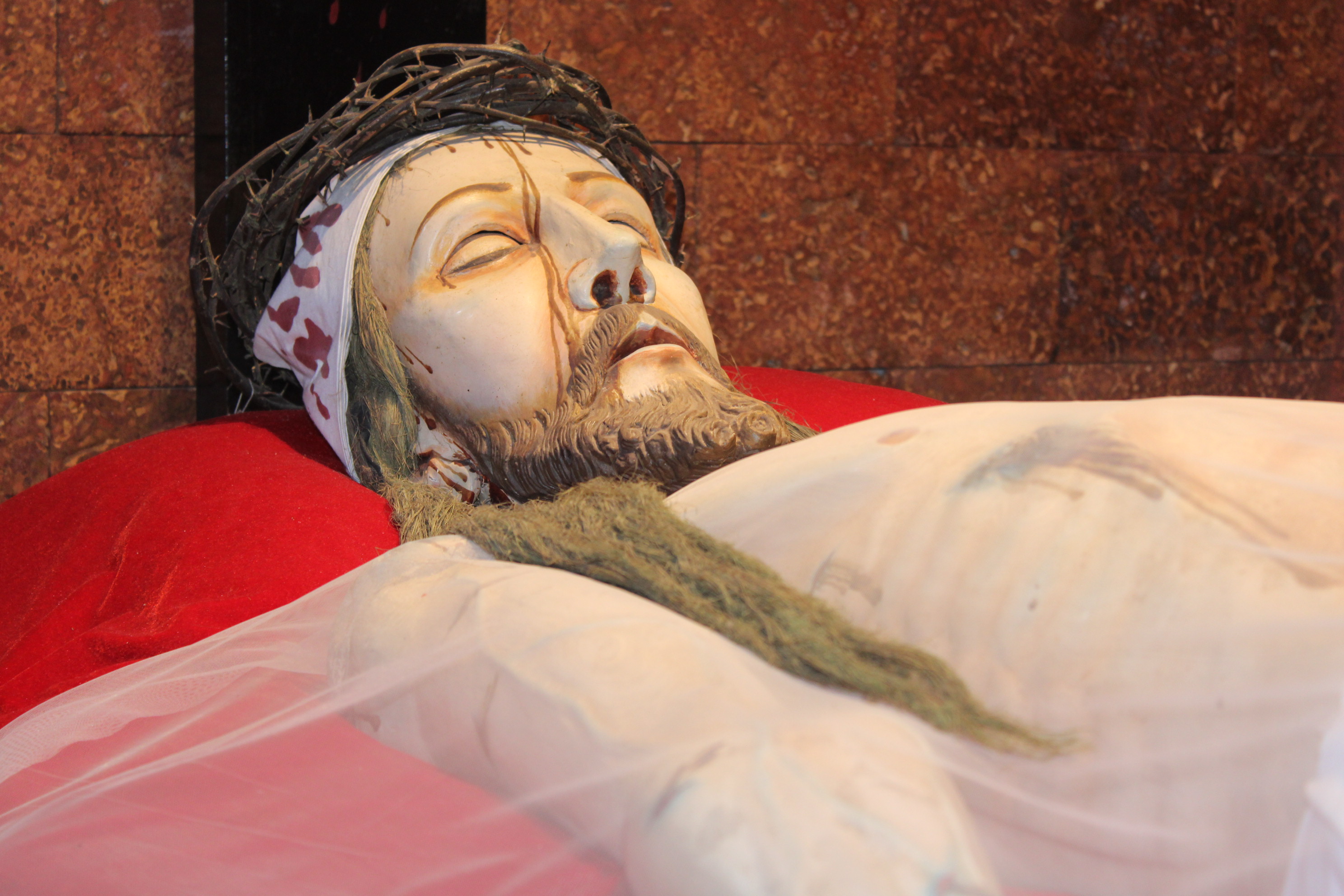
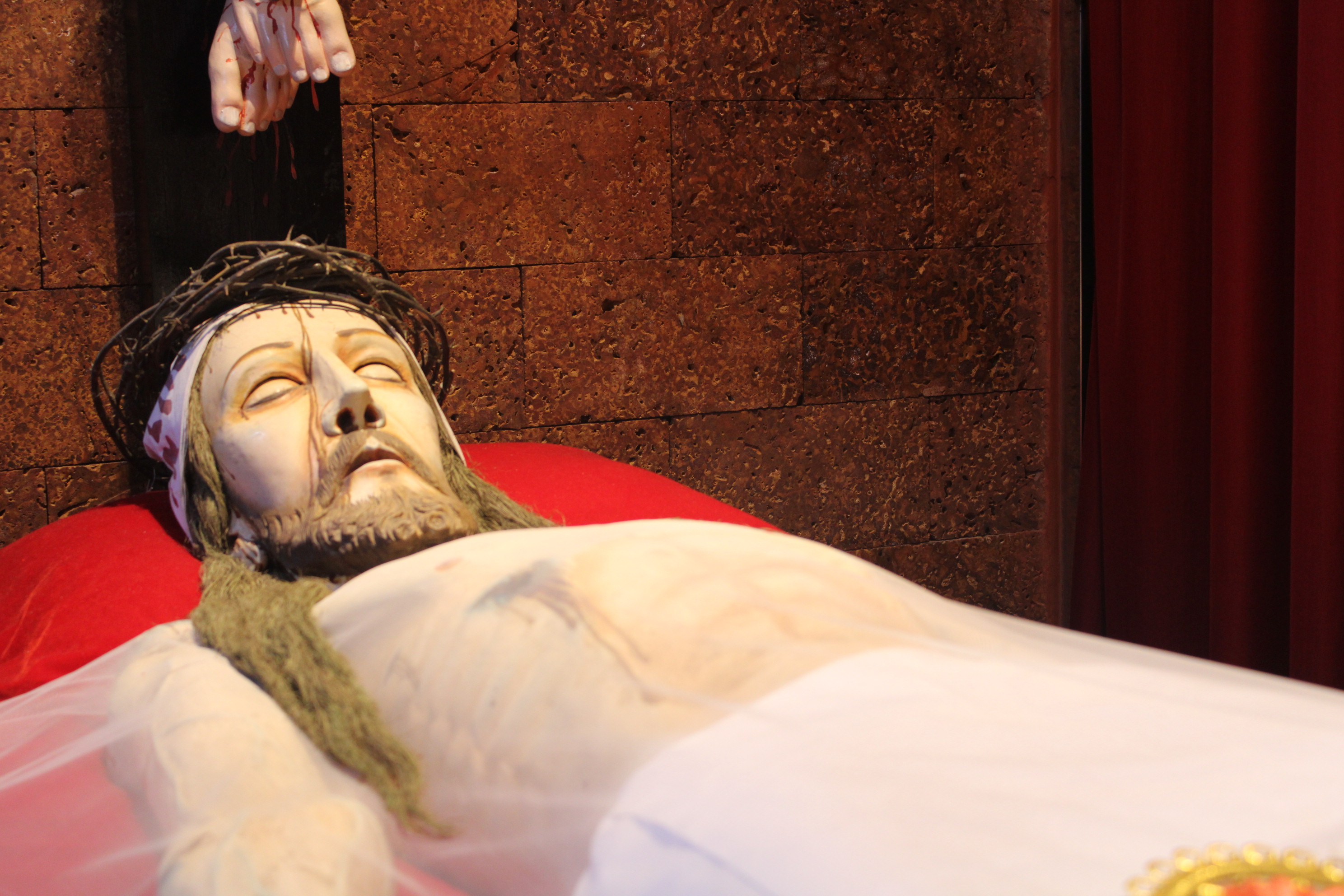
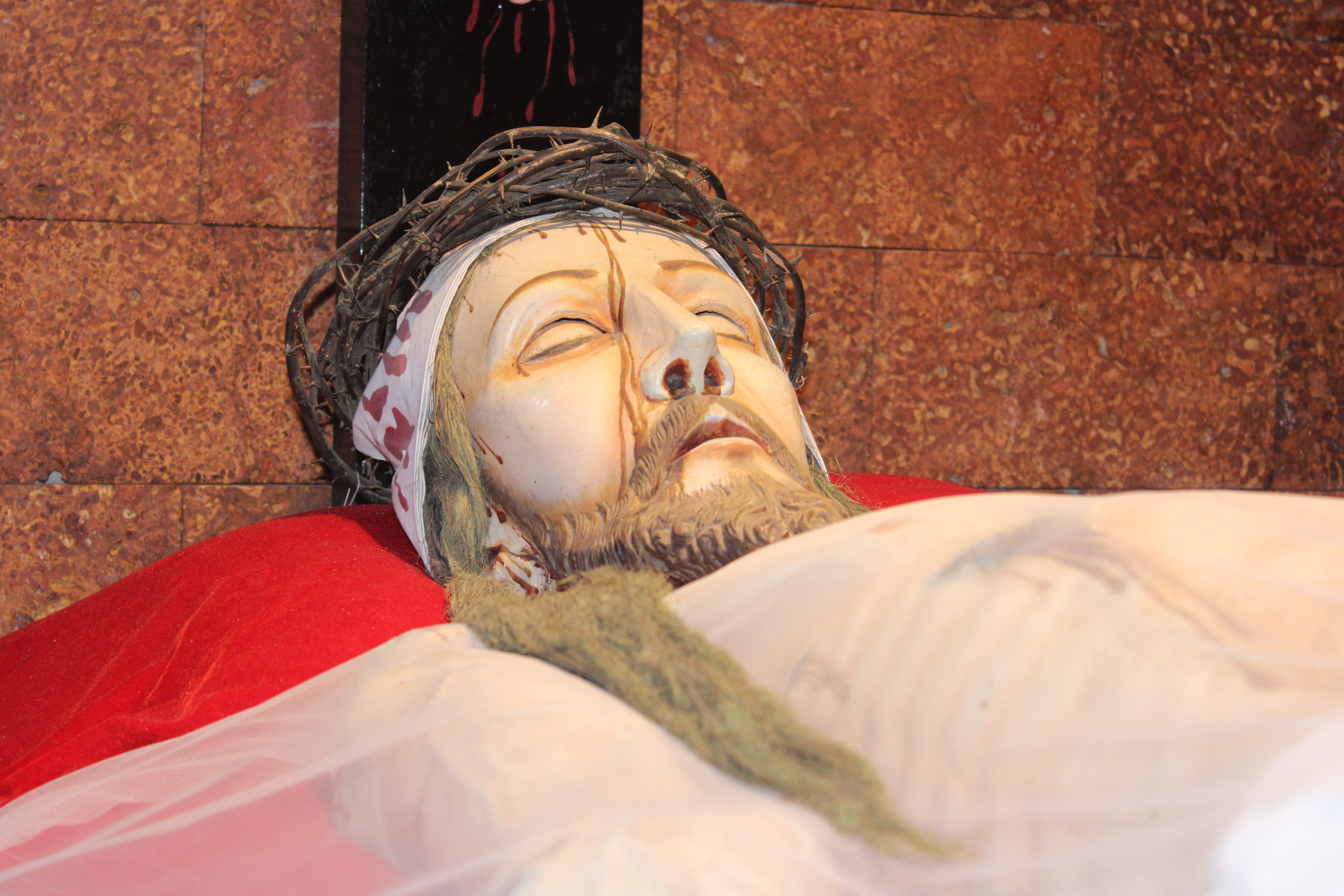
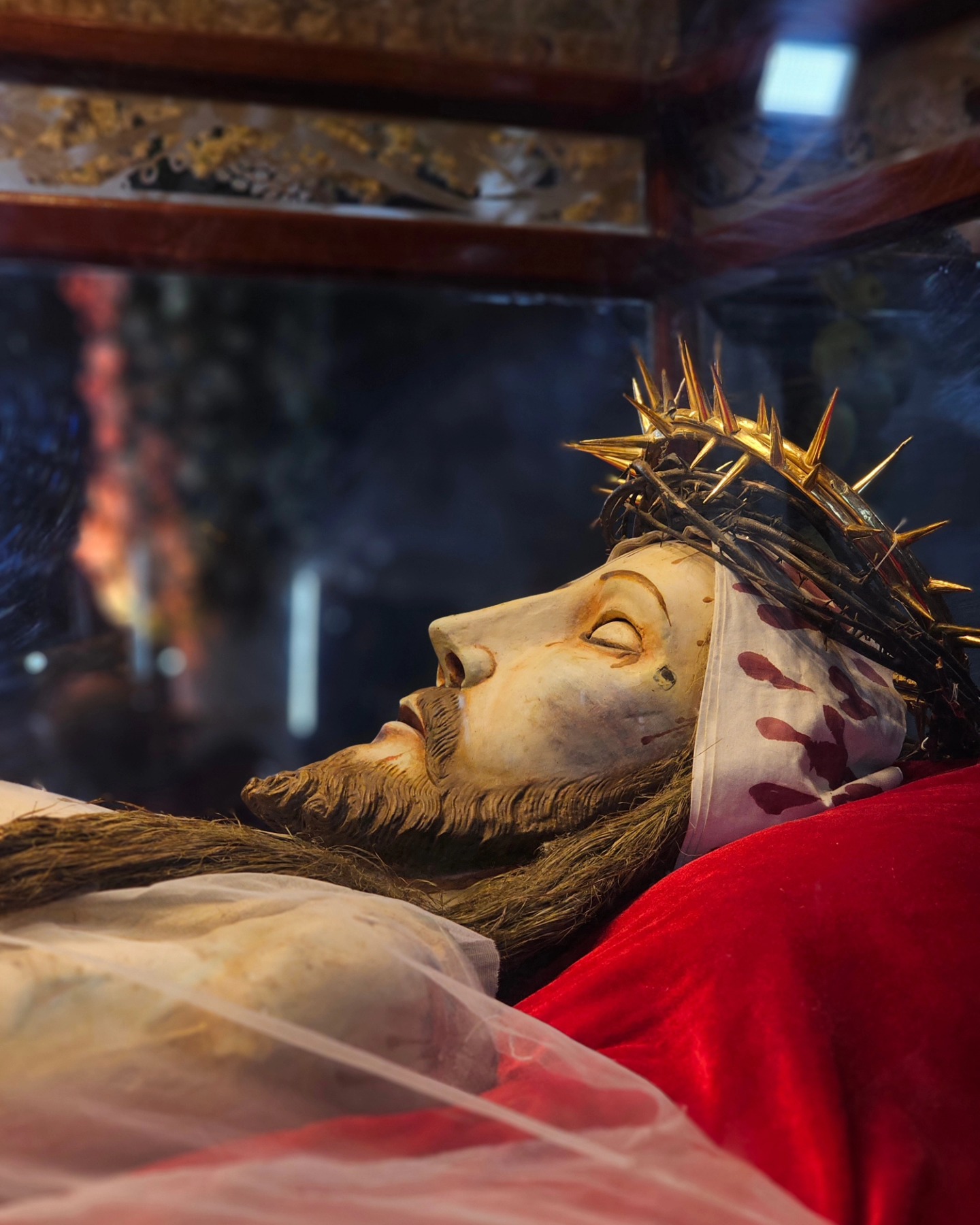
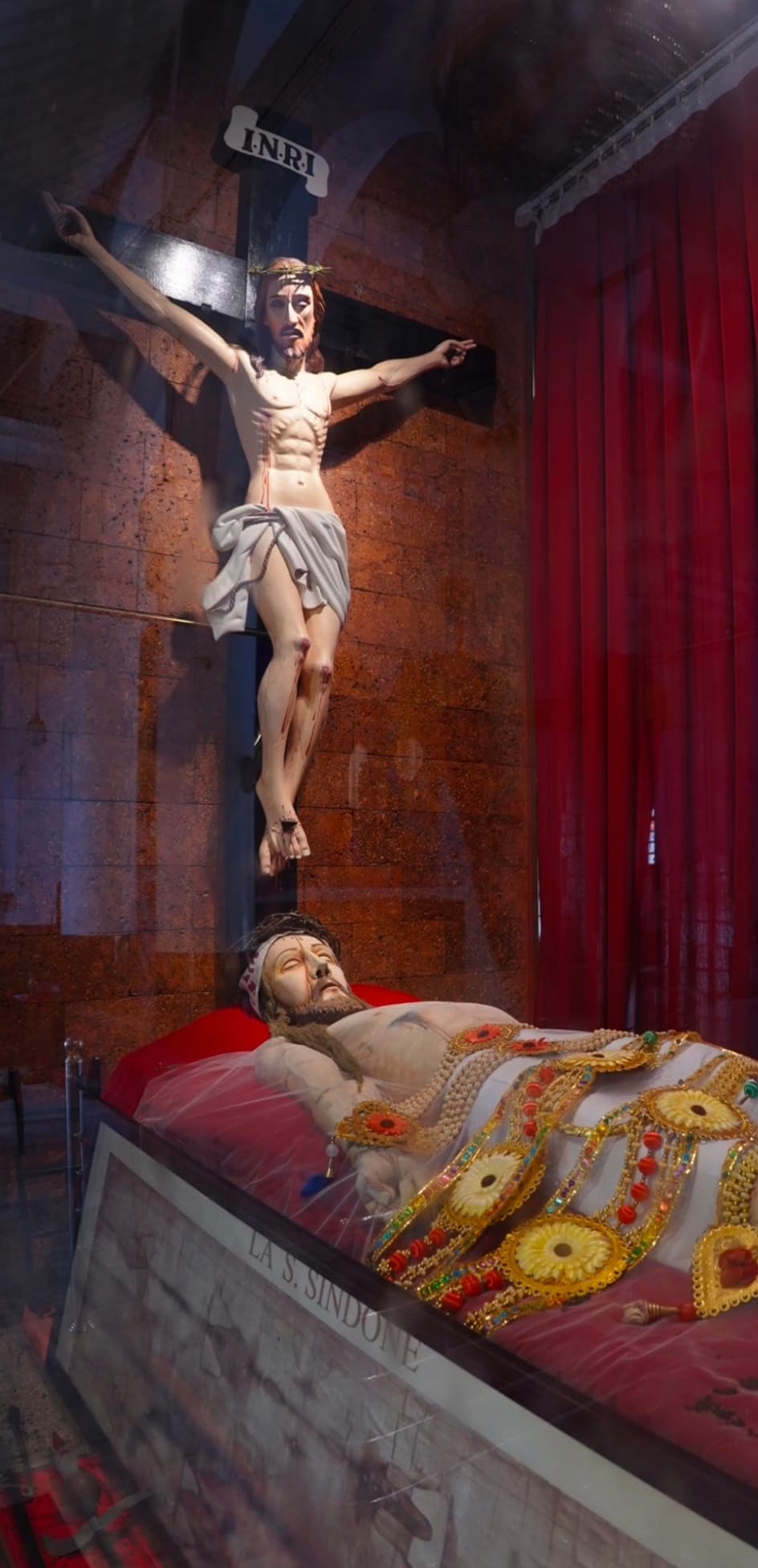
The year was 1936. A statue of the Passion of Our Lord — sculpted in Portugal with extraordinary artistry — was destined for Thankey Church. Its journey to this backwater parish of Alappuzha is itself the stuff of legend.
The women of the parish led by faith, not waiting for the men — through a movement that would later be called Pidiyari — contributed fistfuls of rice from their own households to fund the statue's commission and transportation. It was an act of collective sacrifice and trust that bound the community to the statue before it had even arrived.
The statue was transported by catamaran across the Kerala backwaters — a journey of quiet waters and open sky. When it arrived at Thankey, the entire parish turned out to receive it. The catamaran journey itself became part of the sacred story, a baptism of arrival on the backwater waters of Alappuzha.
The statue's journey to Thankey was not without danger — and its first miracle may have occurred before it even entered the church.
As the catamaran carrying the statue made its way through the backwaters, it was intercepted by a British colonial officer who sought to prevent its onward passage. The officer's objections — whether bureaucratic, political, or personal — placed the entire journey in jeopardy. The devout community prayed with intensity.
What happened next is recounted in parish tradition with reverence: the officer was suddenly overcome — some accounts say he was struck with a sudden illness, others with an inexplicable change of heart — and the catamaran was allowed to proceed. The community interpreted this as the first sign of the statue's miraculous nature: it was protecting its own passage to its destined home.
The Portuguese sculptor who carved the statue is said to have died shortly after completing his work — as if he had given the last of himself to it.
The tradition holds that the sculptor, deeply devout, poured extraordinary care and prayer into every detail of the statue. The wounds of Christ, the expression of suffering and transcendent peace, the arrangement of the body — each element was carved with the attention of a man who knew he was doing holy work.
His death, so soon after completion, is not regarded by the Thankey community as tragedy but as a kind of consummation — a craftsman's life offered at the feet of the work it made. The statue carries something of him still.
Among the most remarkable and enduring beliefs surrounding the statue is this: the hair of the Crucified Christ appears, over time, to grow.
Devotees who have venerated the statue across the decades attest to observing the hair becoming longer — not through any human intervention, but as if the wood itself were alive. This belief has been a persistent feature of the statue's spiritual identity at Thankey, and is one of the reasons pilgrims come with such particular intensity: they come to look, to touch, to see with their own eyes.
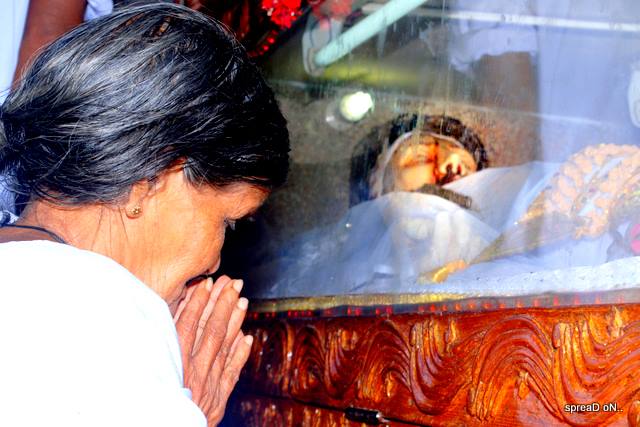
The Church neither formally endorses nor dismisses such phenomena, but the community of faith at Thankey has held this belief for generations — and it has shaped the way they pray before the statue, kneeling close, looking up at the face of Christ Crucified with the intimacy of those who believe they are in the presence of something living.
The word Pidiyari — "pidi" meaning a fistful, "ari" meaning rice — describes one of the most beautiful traditions in the Thankey pilgrimage: the practice of setting aside one fistful of rice from each meal to give to the church.
It was this tradition that originally funded the acquisition of the Miraculous Statue. The women of the parish, convinced of the need to bring this statue to Thankey, began setting aside their handfuls each day. Grain by grain, meal by meal, the fund grew — a collective act of sacrifice made invisible by its domesticity, but enormous in its aggregate faith.
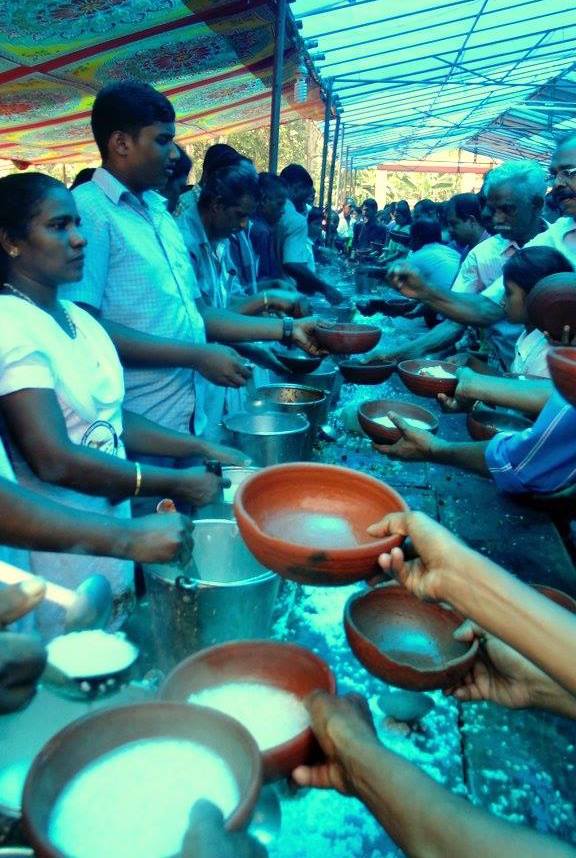
The tradition continues to this day. On Good Friday and at other pilgrimage gatherings, the collected rice is cooked into a simple gruel — kanji — and distributed to all pilgrims without distinction. Rich and poor, local and traveller, Catholic and non-Catholic alike receive the blessed food as an act of Christian hospitality rooted in the sacrifice of the poorest households.
To receive the Pidiyari kanji at Thankey on Good Friday is considered a blessing in itself — a participation in the living tradition of women who trusted God enough to give from the least they had.
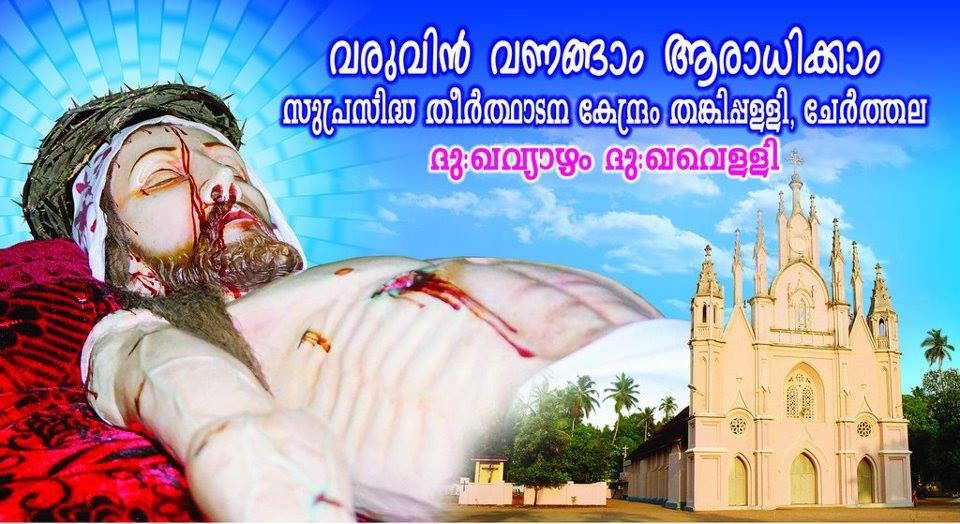
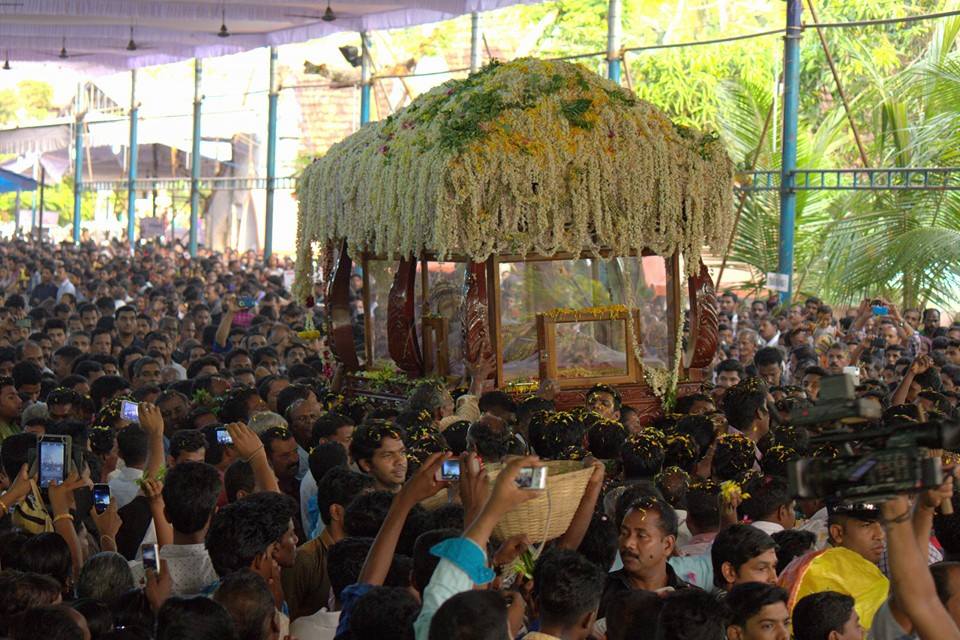
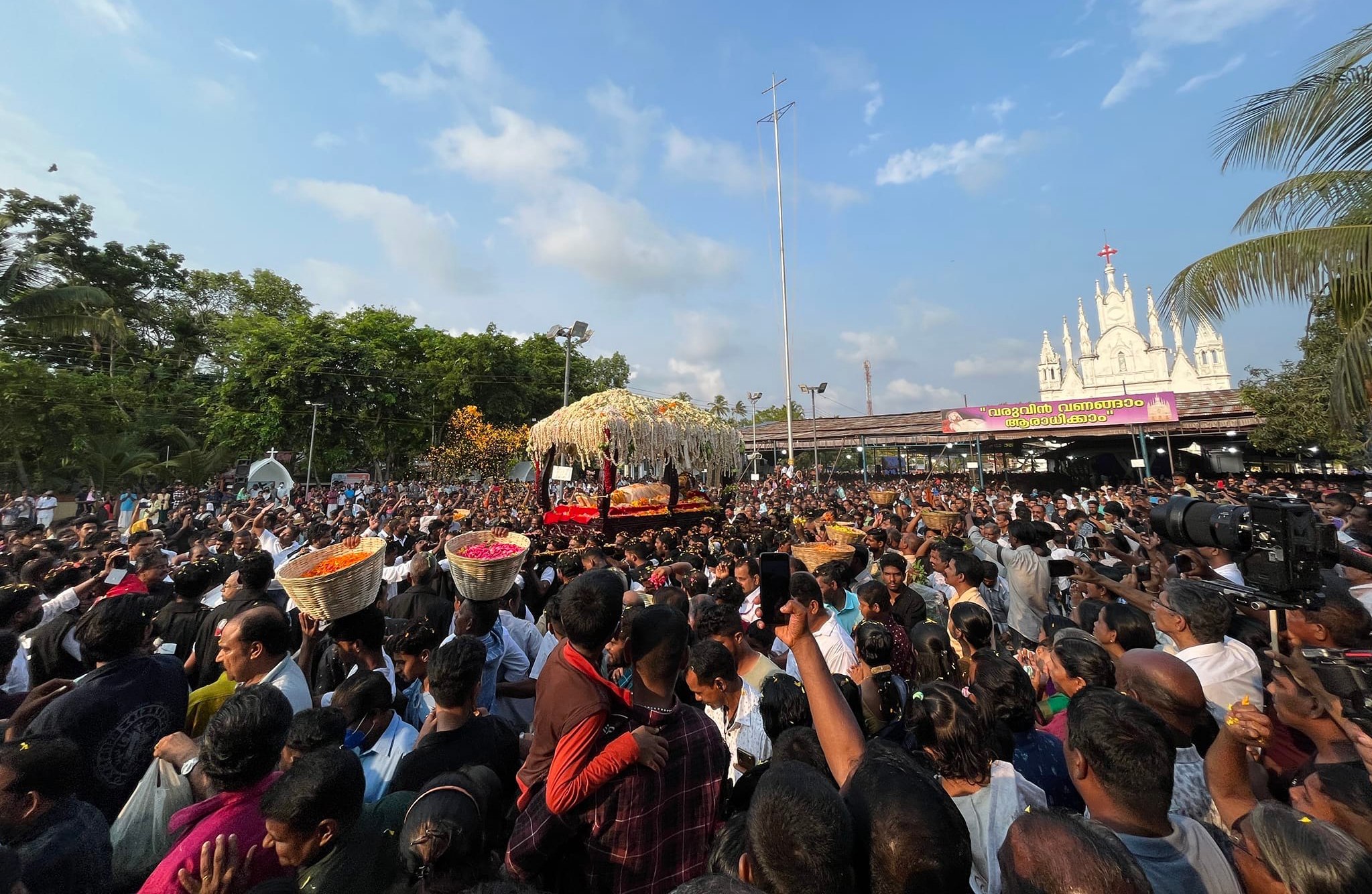
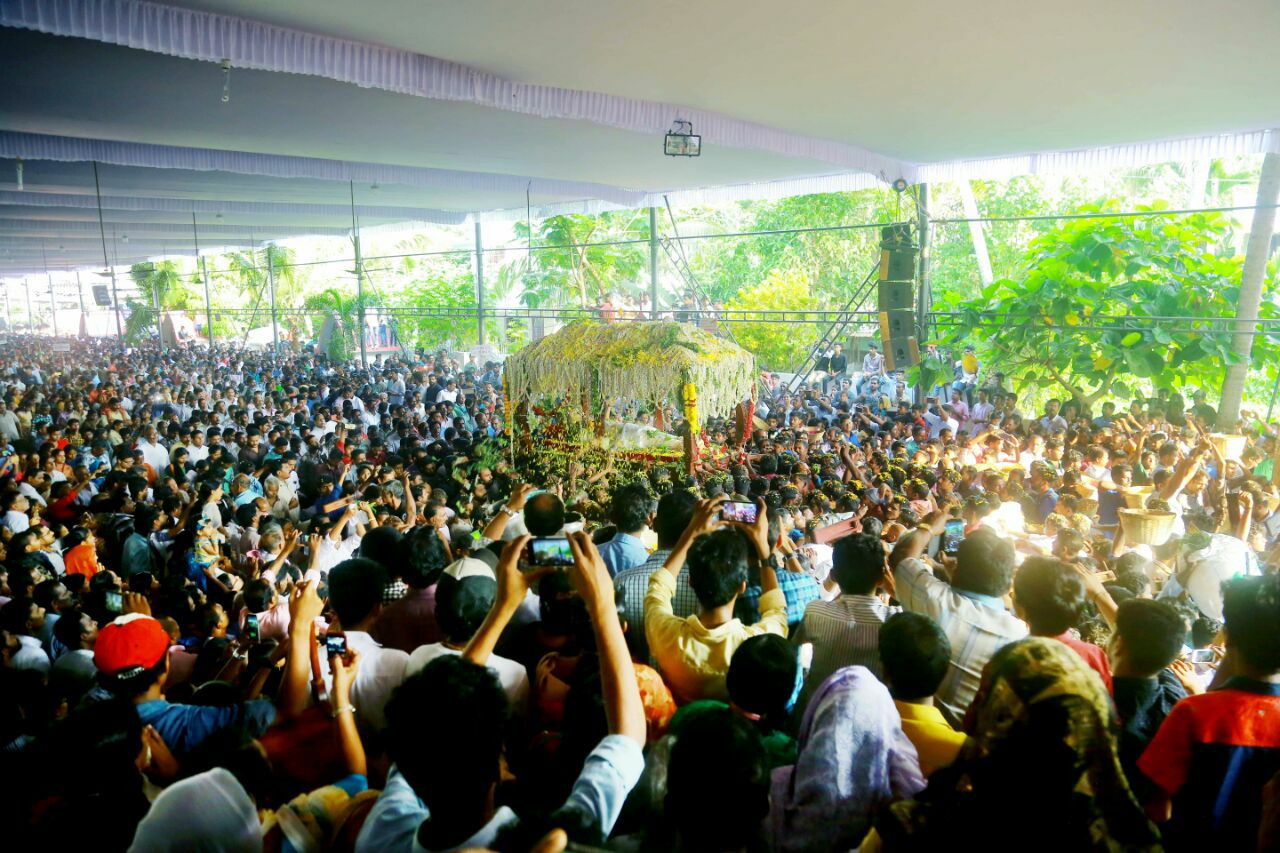
The Good Friday pilgrimage at Thankey is unlike anything else in Kerala Catholicism — ancient, intense, deeply personal, and utterly communal.
Thousands of pilgrims approach the church — and the statue — on their knees. Some travel the entire distance from the church gate on their knees, bearing the weight of their intentions with every painful step. This is not spectacle but prayer: the body offering what words cannot.
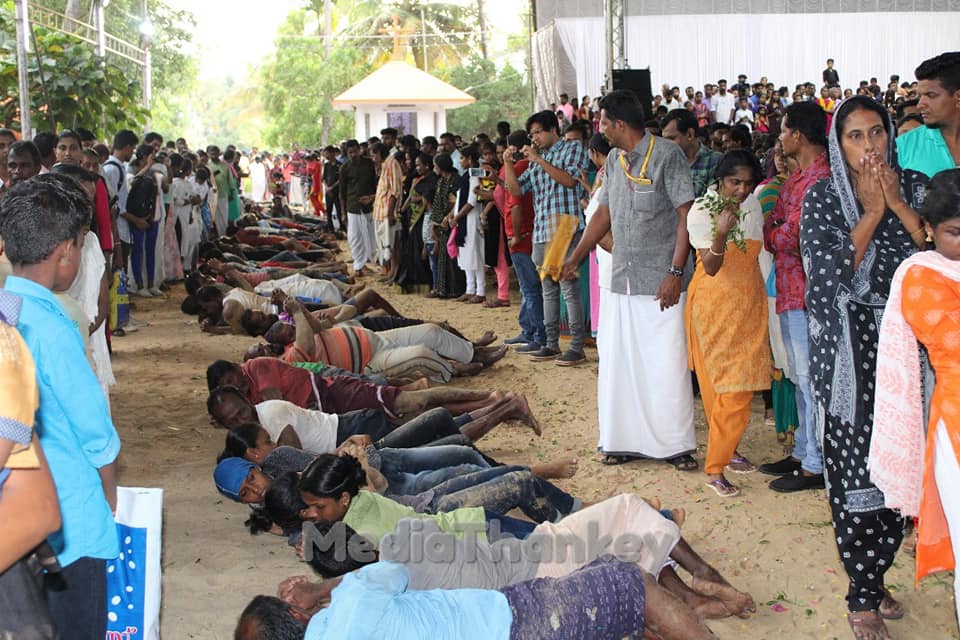
Among the most striking penitential traditions at Thankey: pilgrims roll their bodies in the sand of the churchyard as an act of complete humility before God. The sand — hallowed by centuries of prayer — is believed to carry a blessing. This practice, rare even in Kerala's rich tradition of pilgrimage, speaks to the extraordinary intensity of faith that Thankey inspires.
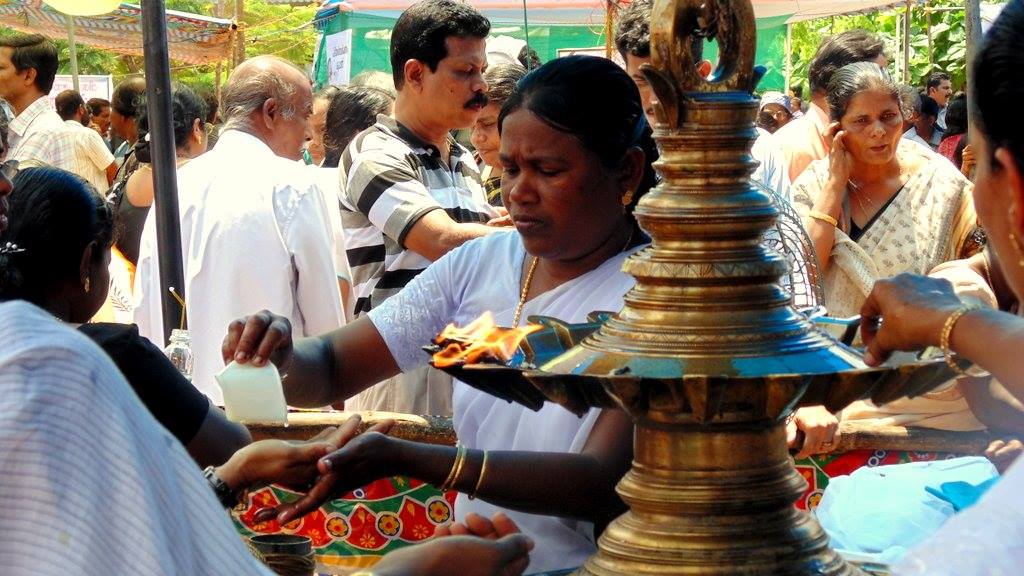
Pilgrims bring offerings of coconut oil for the lamps — the flames kept burning as a sign of prayer continuing even when the supplicant has returned home. Rice is offered as an extension of the Pidiyari tradition, a material gift that connects the devotee to the original women who funded the statue's arrival. Each offering is a small prayer made physical.
Within the church, there is a representation of the Tomb of Our Lord — a sacred chamber where groups of pilgrims gather for intensive prayer. This practice is called Kallara Japam, from kallara meaning tomb or cave and japam meaning prayer or contemplation.
The tradition is particularly associated with First Fridays — the first Friday of each month. The faithful gather every Friday in the tomb for contemplative, rosary-led prayer, asking for the intercession of Our Lord from within the representation of his burial place. It is an intimate and intense form of devotion, shaped by the physical space of enclosure and darkness.
Kallara Japam takes place every Friday, with the first Friday of each month being especially observed. All are welcome to come and participate — there is no booking required. For many, the Kallara Japam is the most personally significant act of devotion in their spiritual year.
Plan Your VisitYou do not need to wait for Good Friday. The Miraculous Statue of the Passion of Our Lord is present in the church every day of the year — and every day, people come.
They come in the early morning before Mass, in the evening after work, on First Fridays with their families, and at Holy Week with thousands of others. Each visit is different; each encounter with the statue is its own prayer.
The church is open daily. Kallara Japam takes place every Friday — come and pray at the Tomb any Friday of the year, with the first Friday being especially observed. Pilgrims are always welcome.