✦ Heritage & Faith
History of
History of
Thankey Church
Over four centuries of unbroken devotion — from apostolic roots to the living parish of today.
✦ Thankey Church · Since 1583 ✦
Over four centuries of unbroken devotion — from apostolic roots to the living parish of today.
The story of St. Mary's Forane Church, Thankey, cannot be told apart from the story of Christianity in Kerala itself — one of the oldest Christian communities in the world, tracing its origins not to European missionaries, but to the Apostle Thomas himself.
Christianity came to the Malabar Coast in 57 AD when St. Thomas, one of the twelve apostles of Jesus Christ, landed on the shores of Kerala. He preached the Gospel, established churches, and baptised the first Kerala Christians before being martyred. This ancient faith — preserved through centuries of trade, persecution, and colonial encounter — forms the bedrock on which Thankey Church stands.
The Portuguese arrival in 1498, when Vasco da Gama landed in Kerala, brought a new wave of Latin Catholic missionary activity to the region. The Jesuit Sant Andre Mission was established at Arthunkal — just 5 kilometres south of Thankey — in 1579, and it was from this fertile ground of faith that the first chapel at Thankey came to be built, in 1583.
St. Thomas, one of the twelve Apostles, brings the Christian faith to the Malabar Coast of Kerala. He establishes churches and baptises the first Kerala Christians, laying the apostolic foundation upon which all of Kerala's Christian communities rest. He is martyred before departing, but his legacy endures across two millennia.
The Portuguese explorer Vasco da Gama lands in Calicut, opening the sea route from Europe to India. This begins a period of intensive Latin Catholic missionary activity along the Malabar Coast, with the Portuguese Crown actively sponsoring church construction and the spread of Latin Christianity.
The Society of Jesus establishes the Sant Andre Mission at Arthunkal, 5 kilometres south of Thankey. This mission becomes a major centre of Latin Catholic faith in the region and creates the conditions — spiritual and geographical — for the founding of the Thankey chapel just four years later.
The first chapel is established at Thankey, dedicated to the Blessed Virgin Mary. The precise circumstances of its founding are preserved in parish tradition: it was built through the collective faith and effort of the local Catholic community, emerging from the same missionary energy that had taken root at nearby Arthunkal. This year marks the formal birth of what would become one of the most celebrated pilgrimage churches in Alappuzha.
The church undergoes significant expansion, funded largely by the generosity of Kochumareekka Muthy of the Aarkatty family — a prominent local Catholic family whose patronage transforms the humble chapel into a more substantial church structure. This act of private philanthropy becomes part of the church's founding legend, a testimony to the deep personal faith of the laity.
Bishop Joachim formally raises Thankey to the status of an independent parish, separating it from Arthunkal. This canonical recognition marks a pivotal moment: Thankey Church now stands as its own ecclesiastical community, with a resident vicar and the full sacramental life of a parish church. The bishop's decision reflects the growth of the local Catholic community and the growing importance of Thankey as a place of pilgrimage.
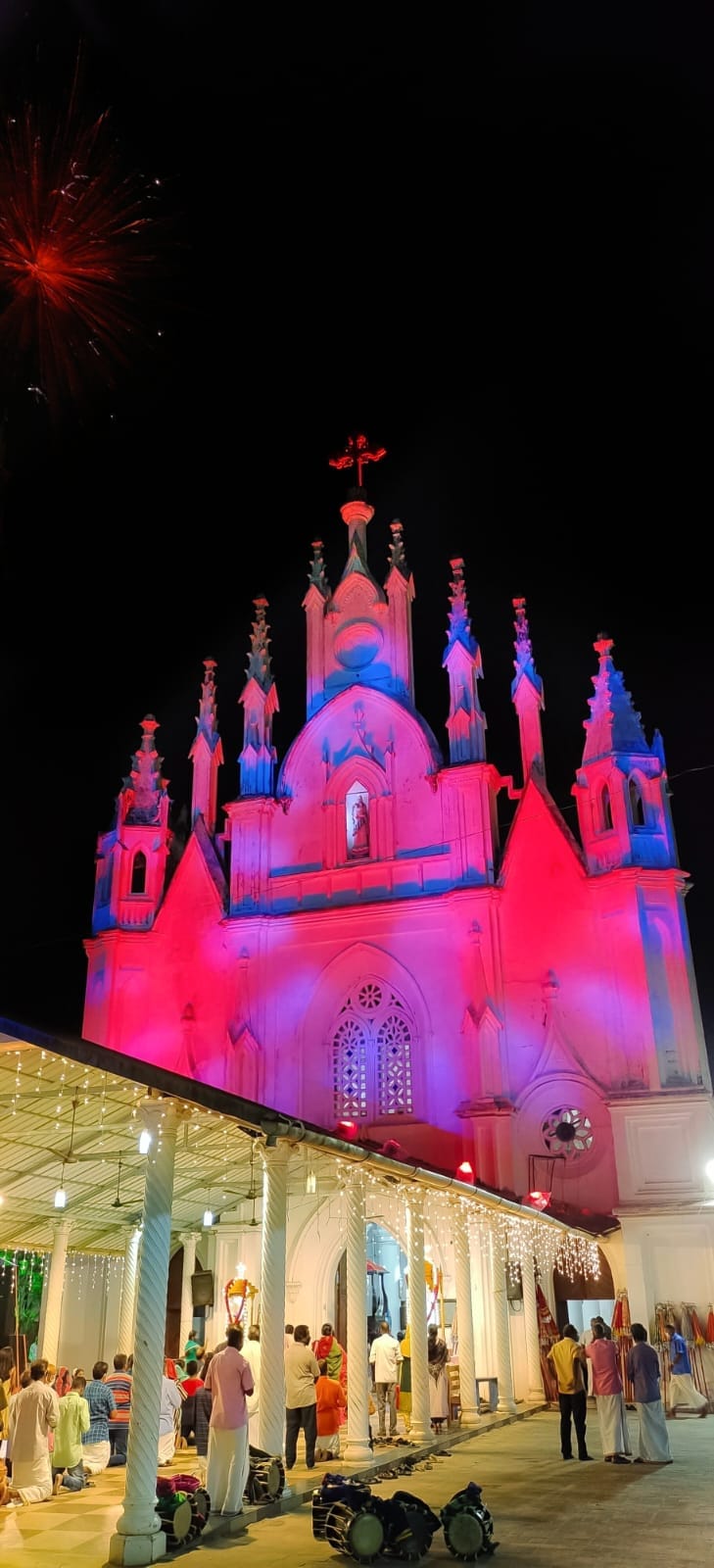
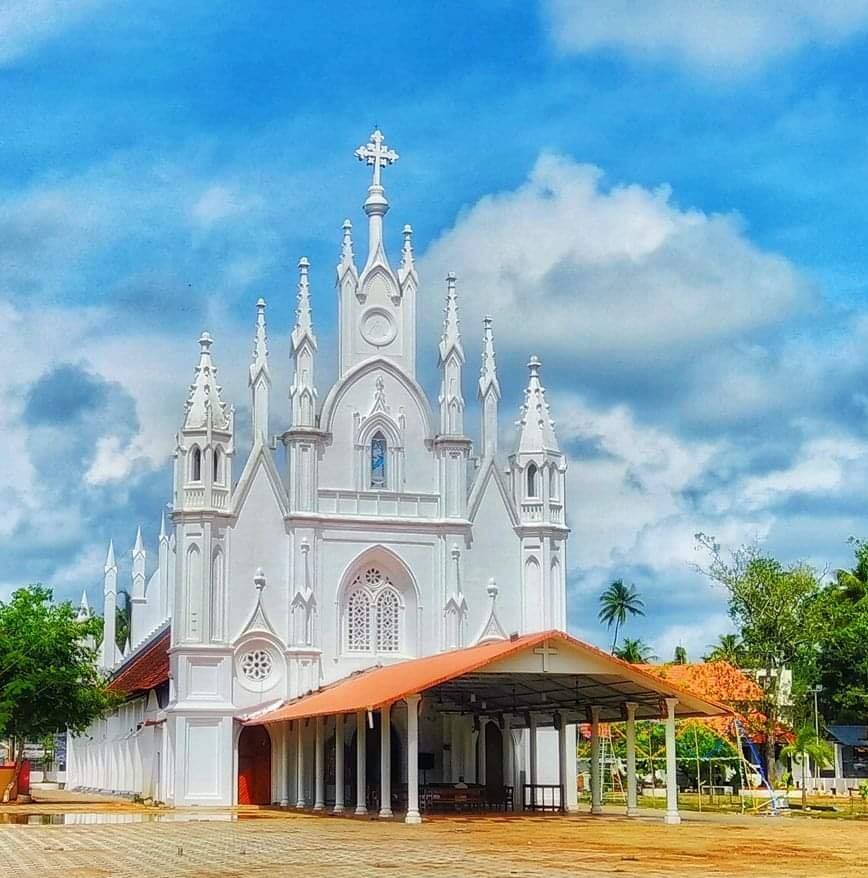
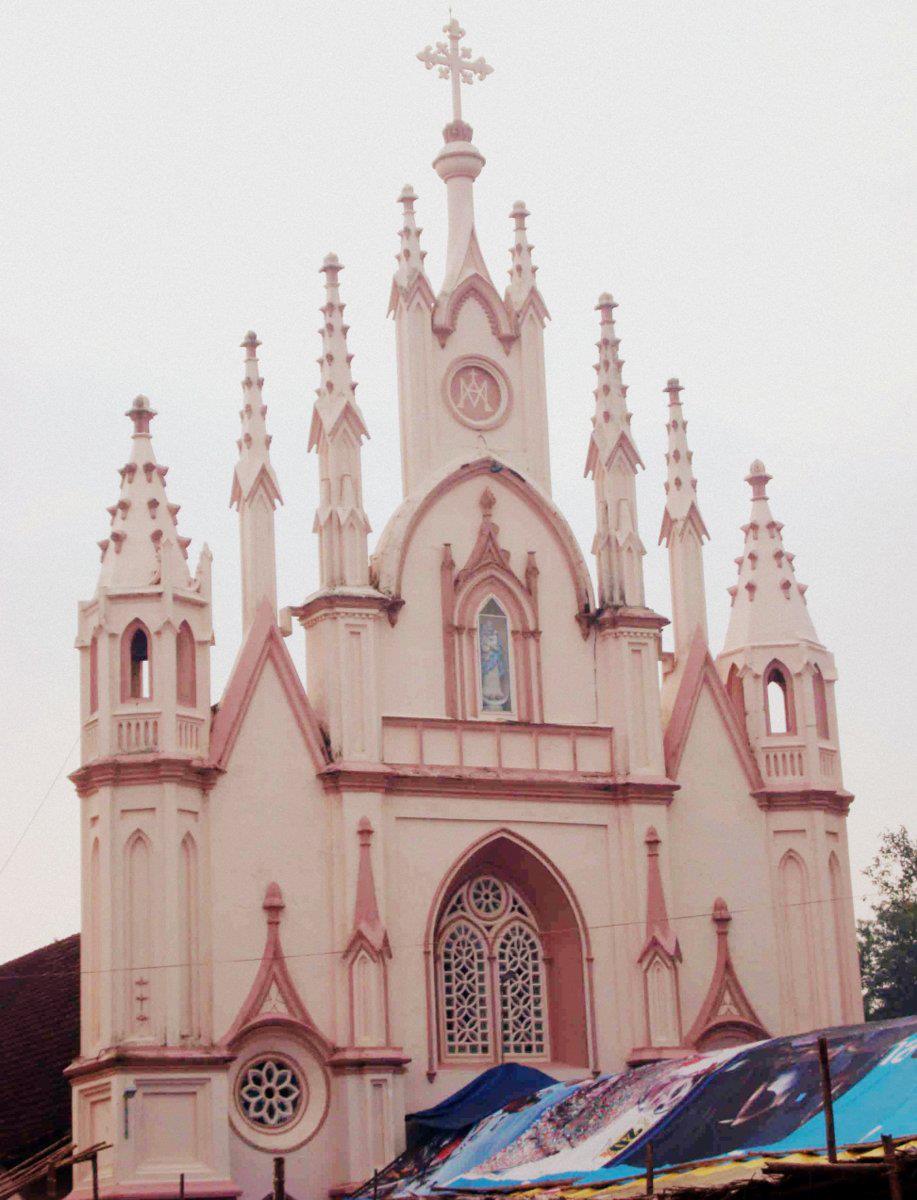
The current church façade, with its distinctive architectural character that blends Kerala tradition with Latin ecclesiastical form, is constructed. The facade that greets pilgrims today dates from this period — its whitewashed towers and arched entrance a beloved landmark of the Cherthala landscape.
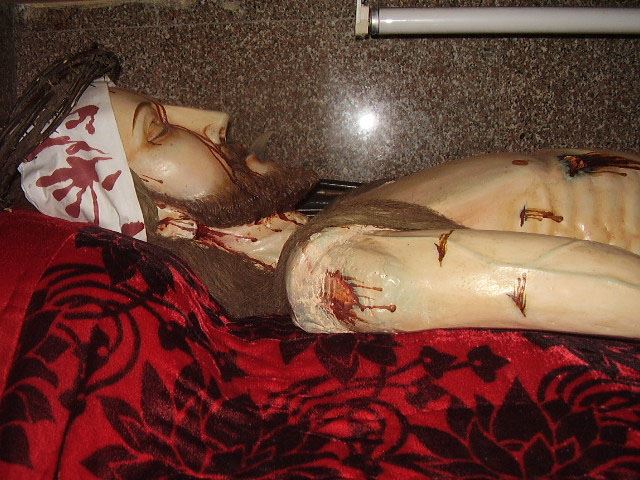
The most transformative moment in the church's modern history: a statue of the Passion of Our Lord, carved in Portugal, arrives at Thankey. It is transported by catamaran across the backwaters — a journey not without divine drama. This statue becomes the heart of the pilgrimage, the source of reported miracles, and the reason tens of thousands travel to Thankey each Holy Week. Its arrival ushers in a new chapter in the church's life.
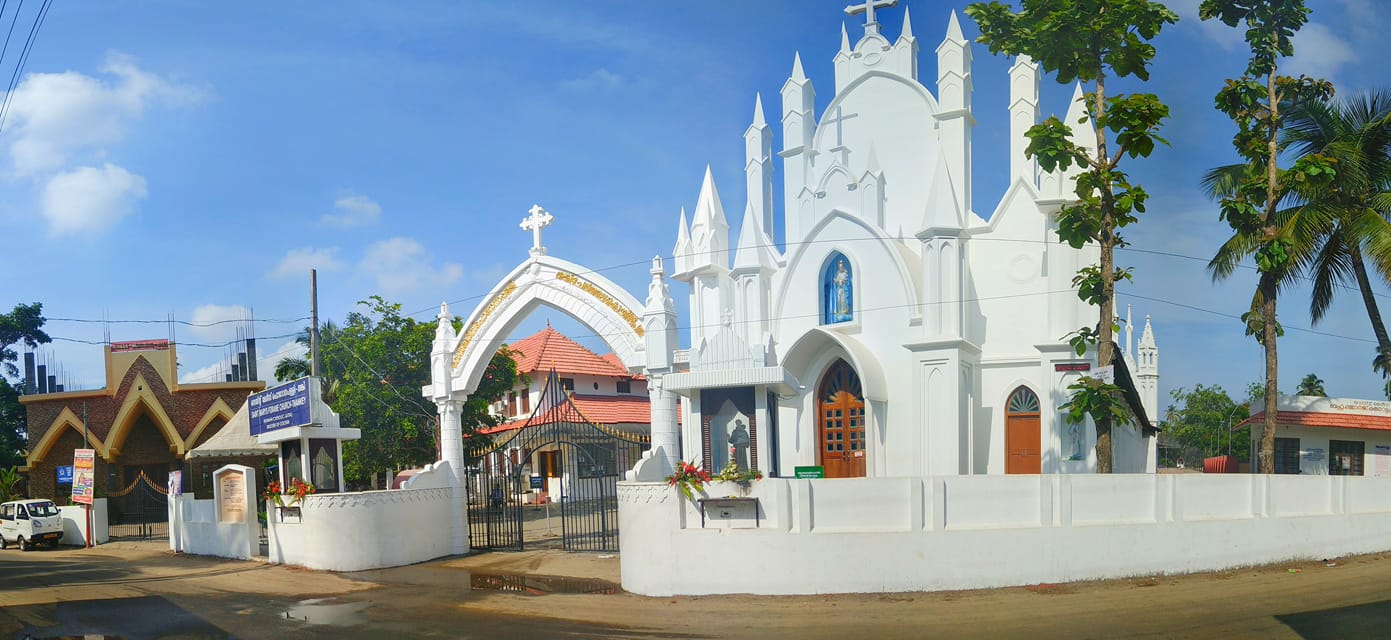
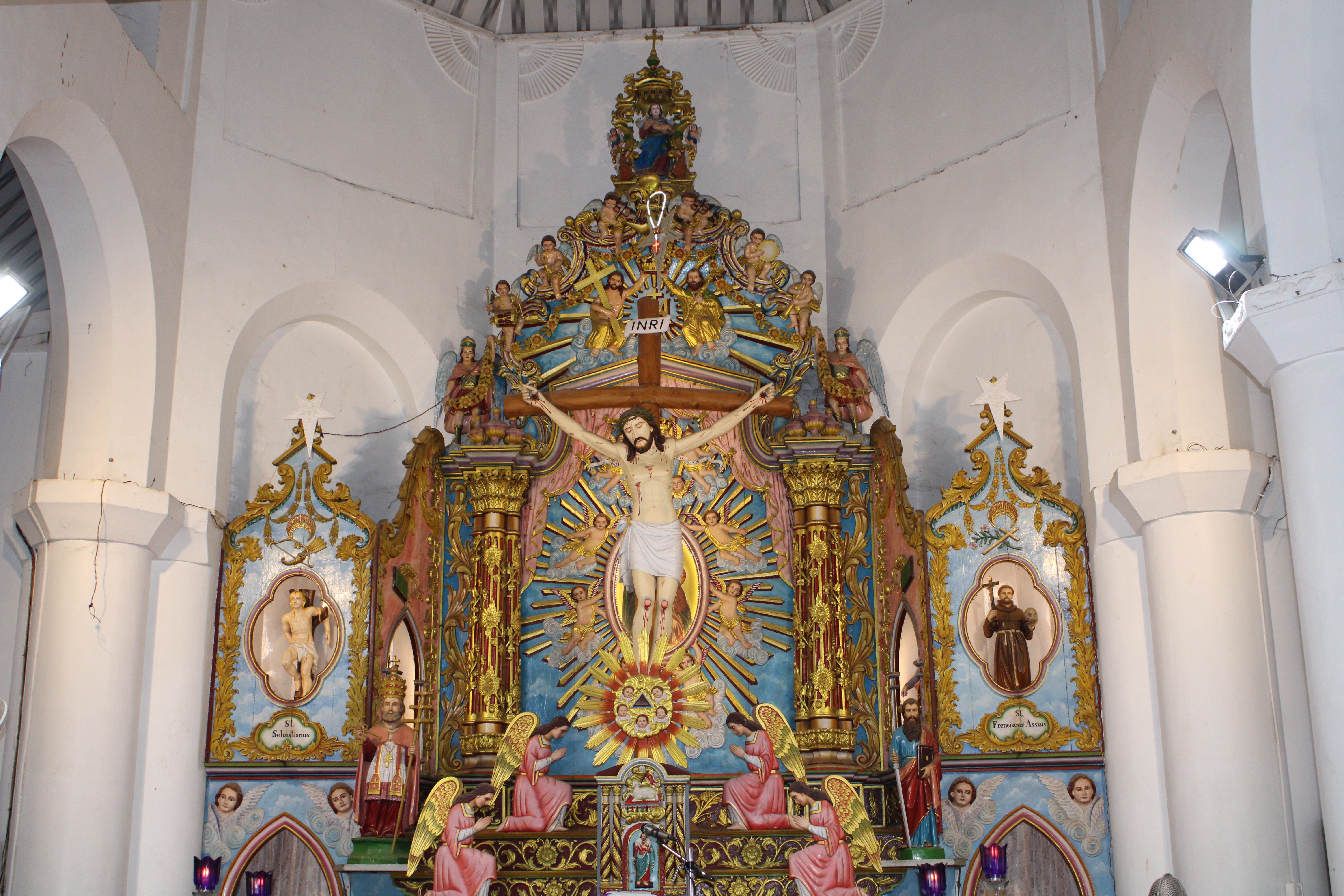
Thankey Church is not simply a monument to the past. It is a living, breathing parish community — worshipping, ministering, and welcoming pilgrims every day of the year.
The parish spreads across an 8.9 square kilometre panchayat, encompassing the villages and backwater communities of Cherthala taluk. Its 1,650 Catholic families — approximately 5,300 souls — look to Thankey not merely as their parish church, but as the spiritual centre of their lives.
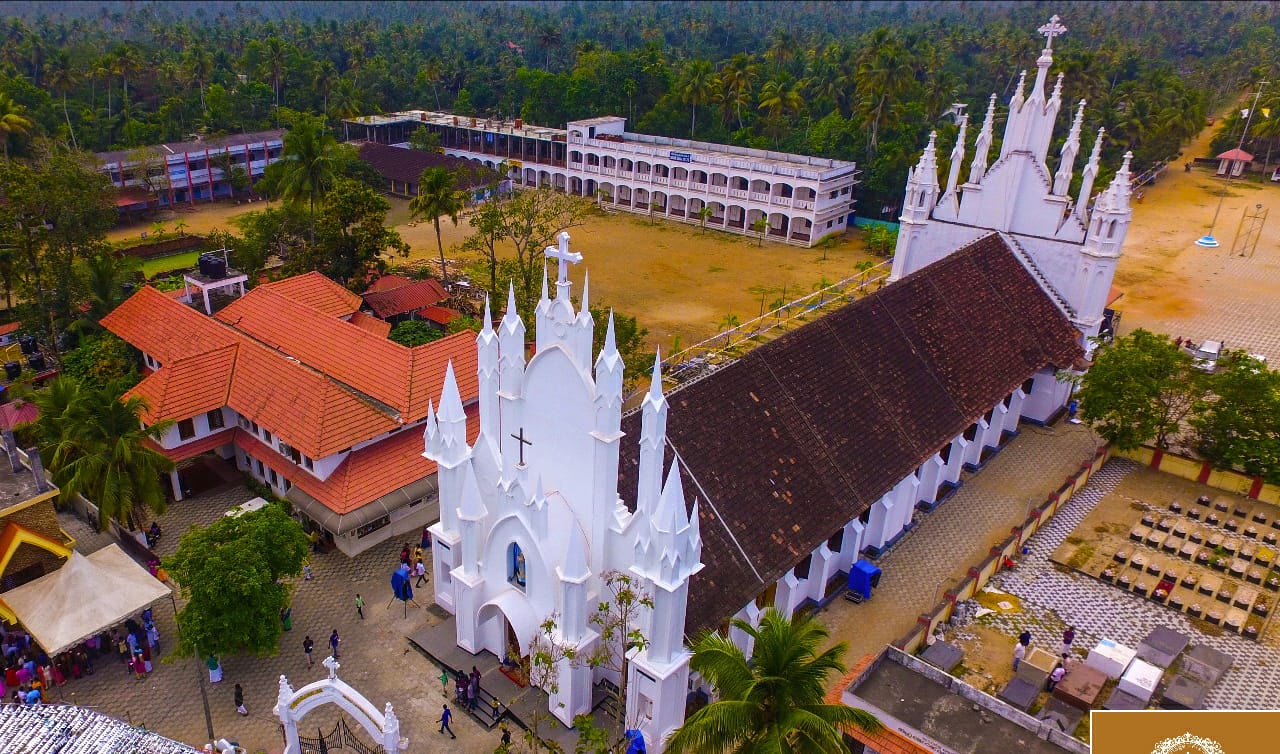
Thankey sits in the backwater-threaded landscape of Alappuzha — one of Kerala's most distinctive and ancient regions. The church's relationship with water is not merely geographical; it is spiritual.
For centuries, pilgrims arrived by canoe and catamaran across the Kerala backwaters, approaching the church from the water just as the Miraculous Statue itself did in 1936. Today, most arrive by road — 8 kilometres from Cherthala — but the sense of arrival, of crossing a threshold into sacred space, remains unchanged.
The church is a Forane Church — a designation in the Latin Catholic tradition signifying an important parish church with a degree of oversight over the surrounding area. This status reflects not only its antiquity but its continuing centrality to the Catholic life of Cherthala taluk.
The Thankey Panchayat, within which the parish lies, covers 8.9 square kilometres — a landscape of paddy fields, coconut groves, and backwater channels that has shaped the character of the local faith as surely as any bishop's decree.
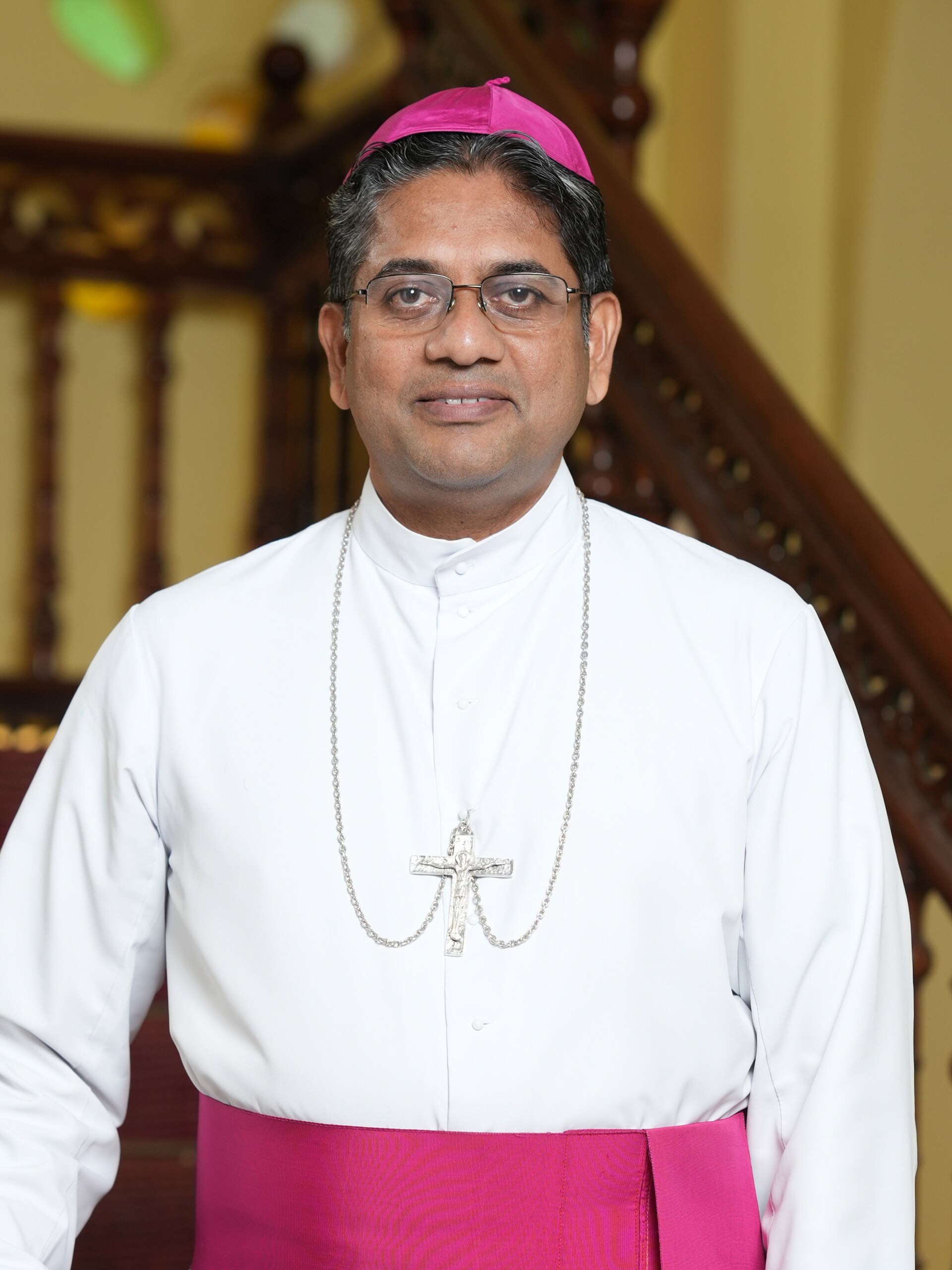
Rt. Rev. Dr. Antony
Kattiparambil
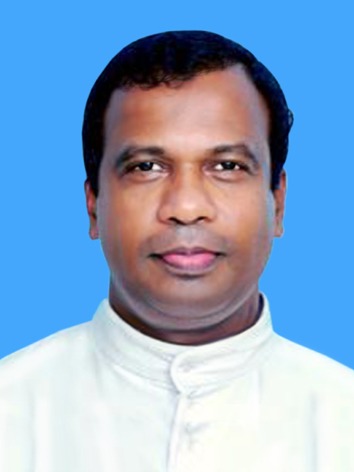
Rev. Dr. Marian
Arackal
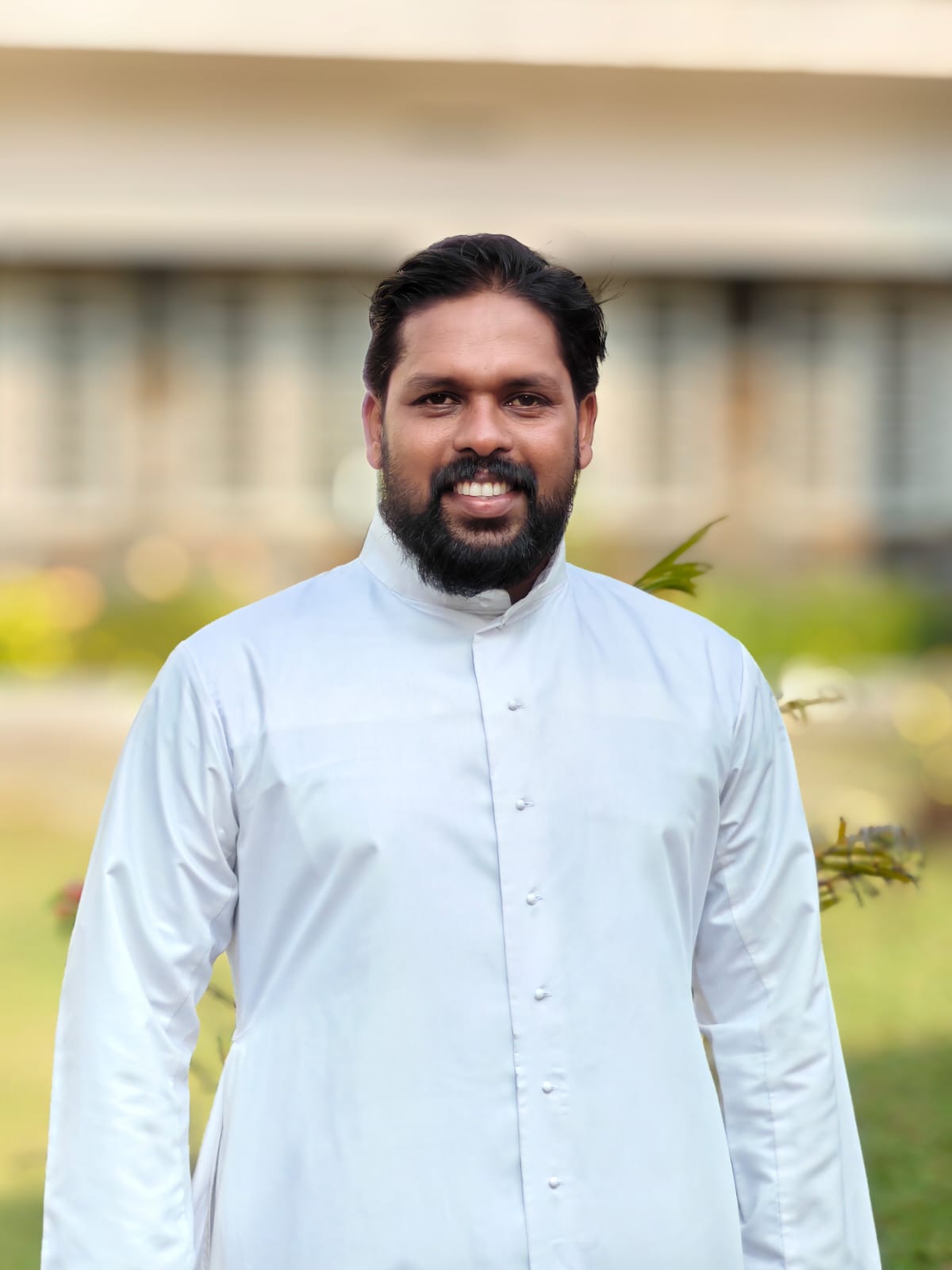
Rev. Fr. Sibin
Anchukandathil
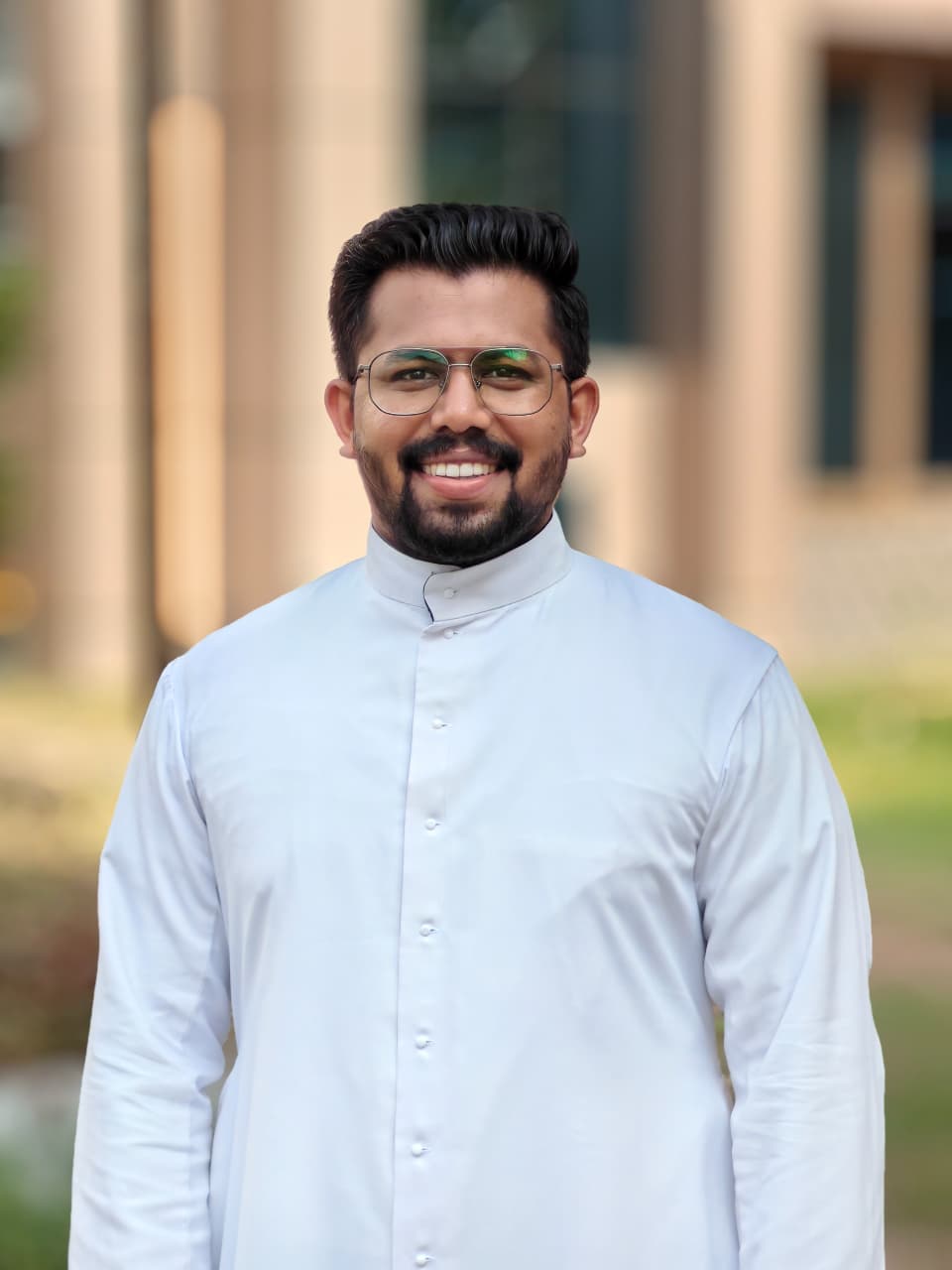
Rev. Fr. Sharvin Xavier
Puthenchakkalackal
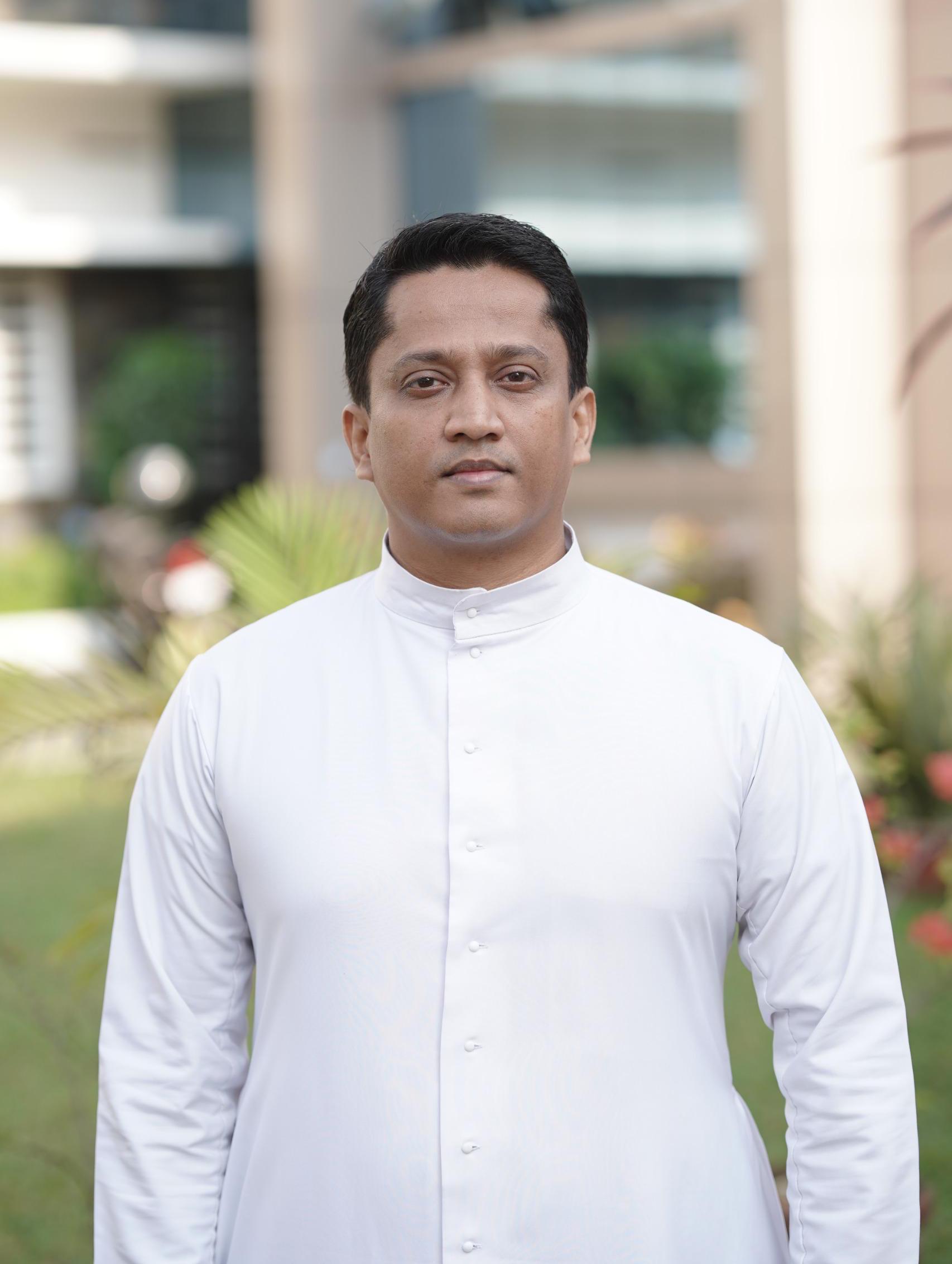
Rev. Fr. Joseph Lijesh
Kaliparambil
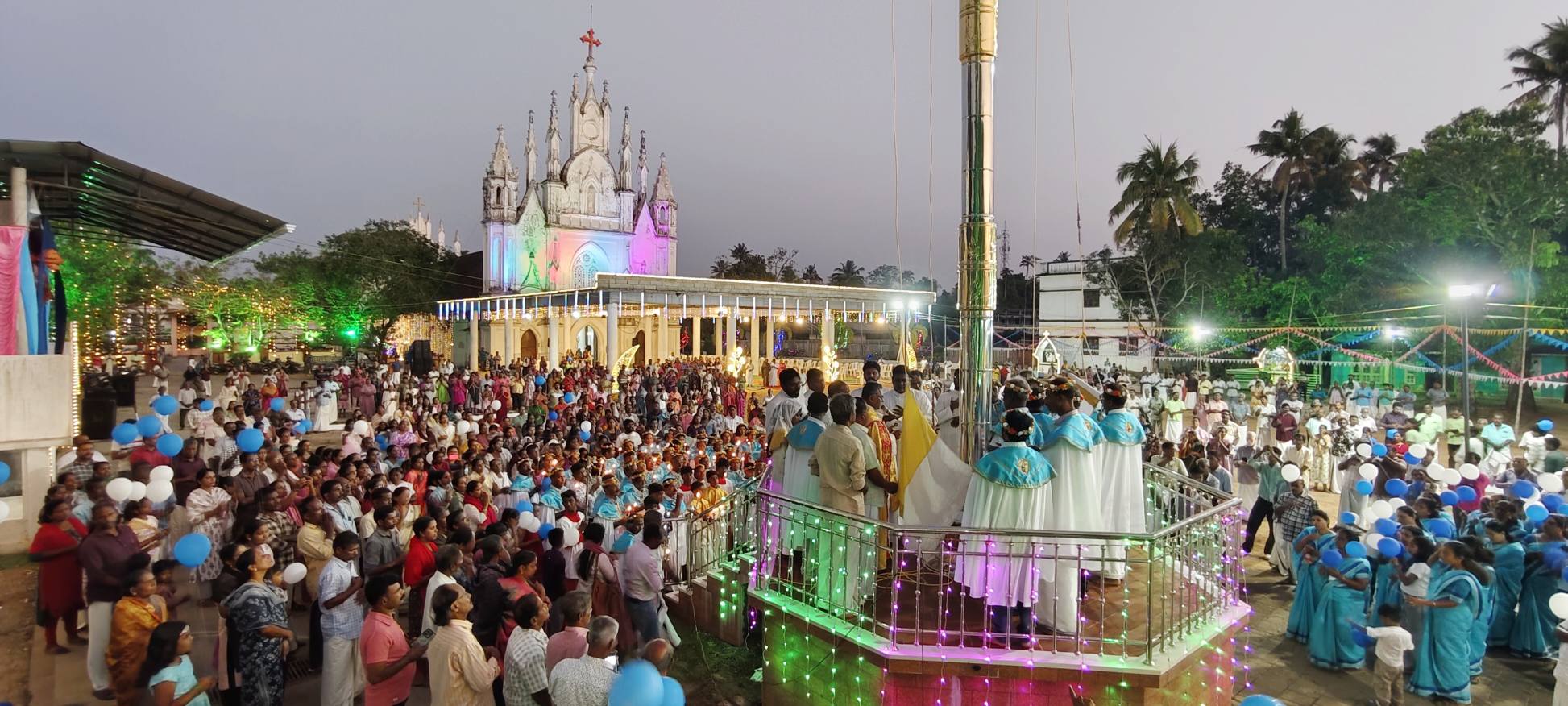
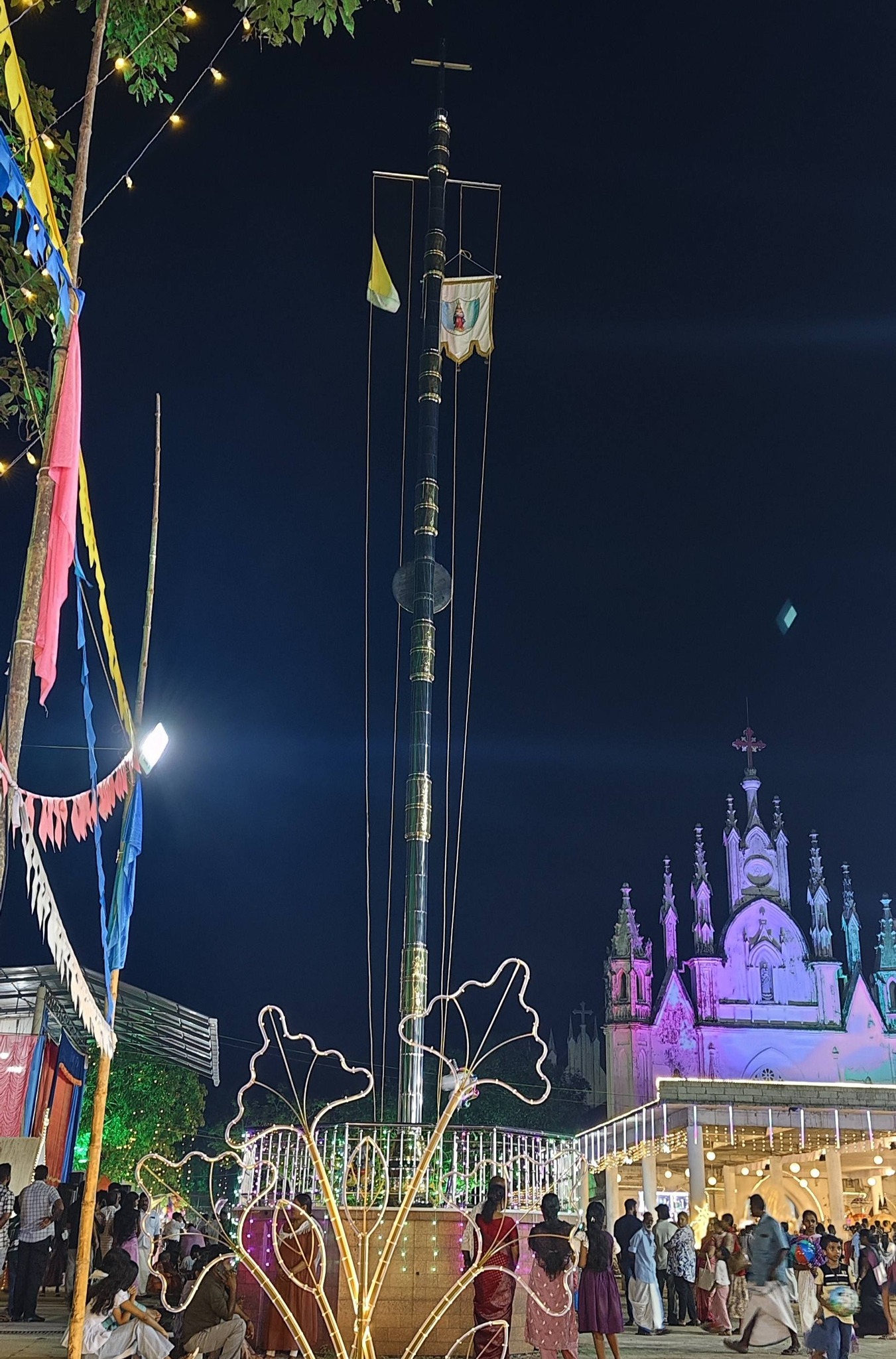
January 27 – February 2 (Candlemas) — the grandest celebration in Thankey's annual calendar, honouring Mary, the Patroness for whom the church is named.
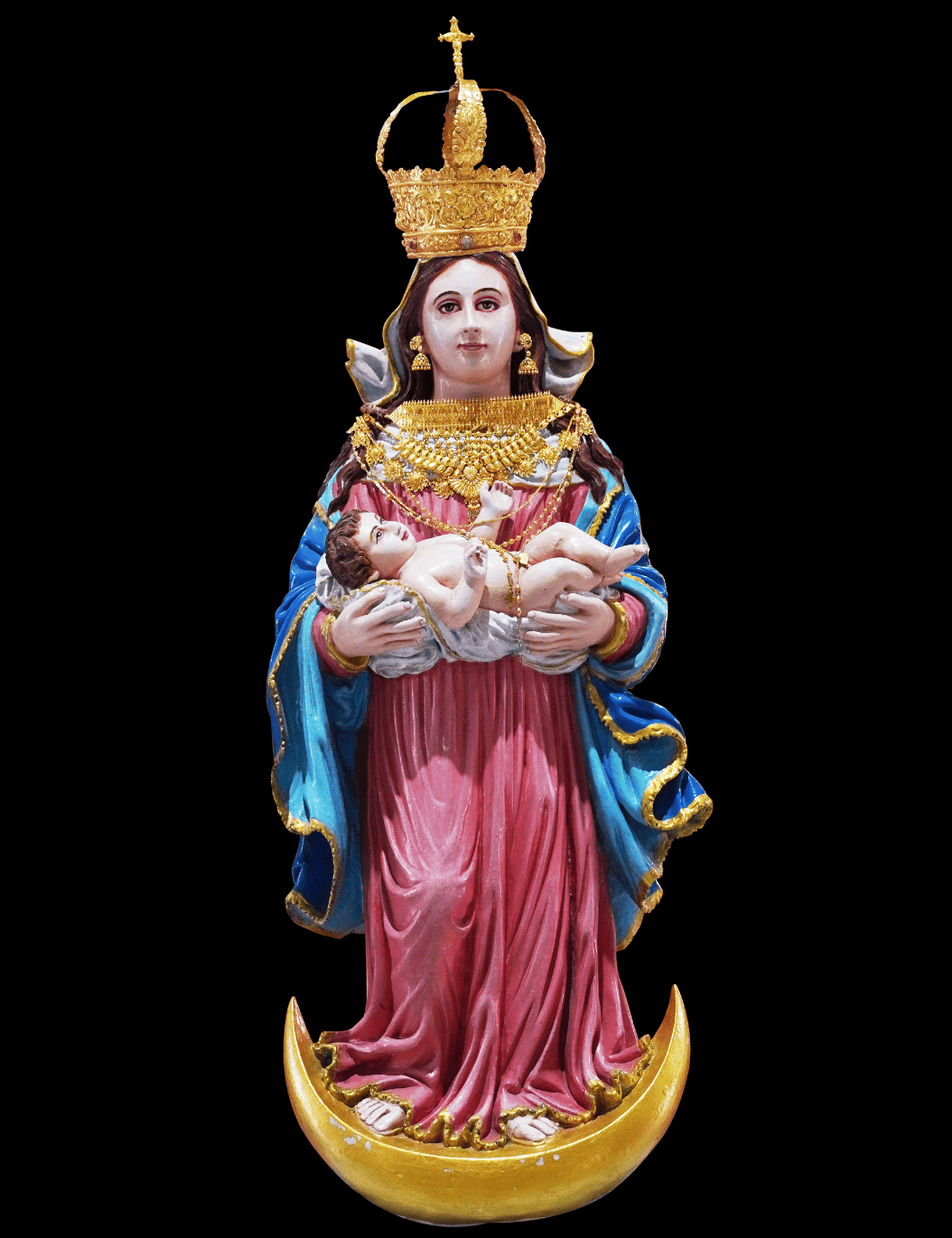
The church is named for St. Mary — and her feast is more than a liturgical observance. It is the parish's deepest expression of Marian devotion, its grandest gathering, and its most beloved tradition.
The feast runs for a full week, from January 27 to February 2, culminating on Candlemas — the Feast of the Presentation of the Lord. Novena prayers are offered each morning and evening. Special Masses gather the community across the nine days. The solemn procession on the final night, candlelit and hymn-filled, draws devotees from across Alappuzha and beyond.
For many parishioners, this feast is the spiritual high point of the year — the moment the whole community gathers to honour the woman for whom their church has been named for over four centuries.
The arrival of the statue in 1936 transformed Thankey from a venerable old parish into one of the most celebrated pilgrimage destinations in Kerala. Read the full story.
Read the Statue's Story